Re-emerging Localities of the Indian City in COVID/Post-COVID times
Location: Raipur, Chattisgarh, India
Type: Academic
Semester/Year: 3rd Sem, 2021
Area: 3.5 sq.km.
Collaboration: Individual
Contribution: All presented
Supervisor: Ar. Arunava Dasgupta
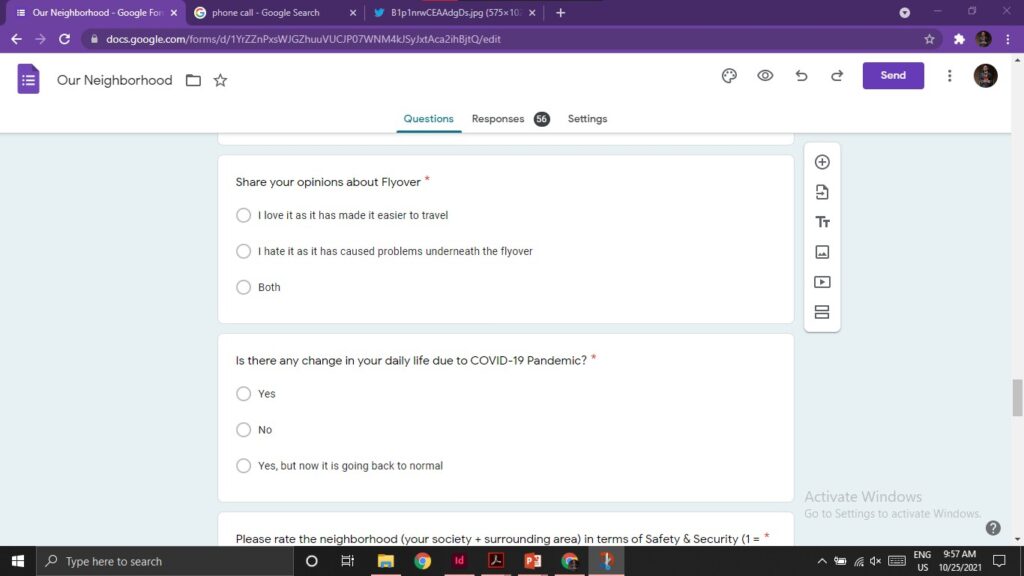
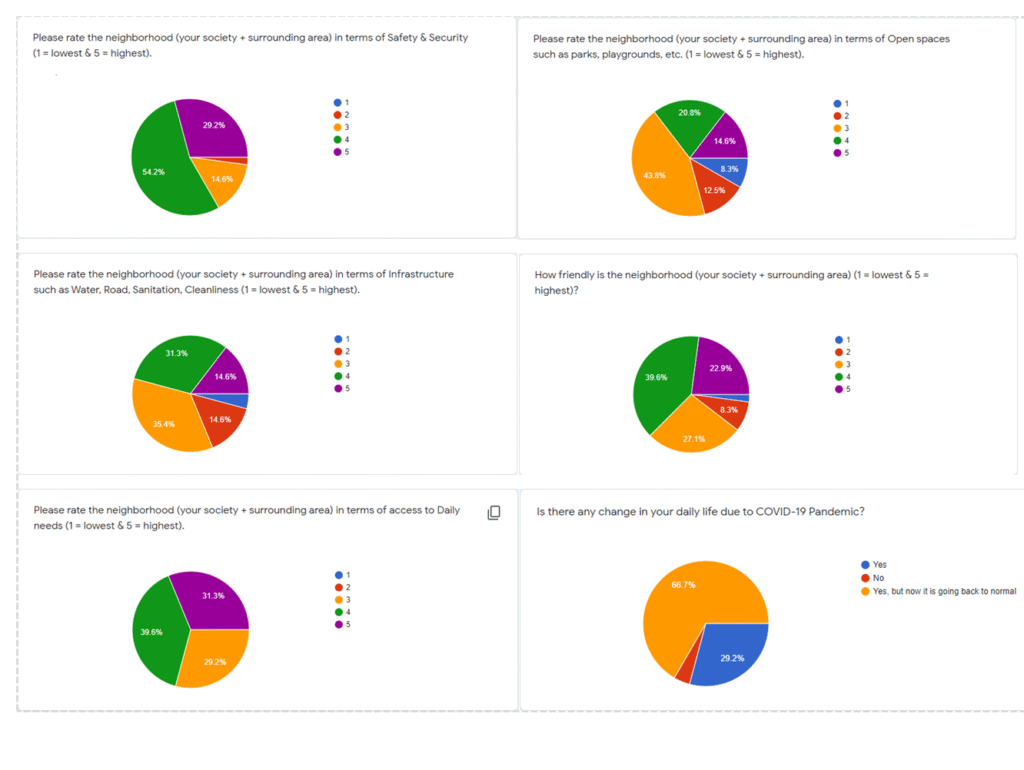
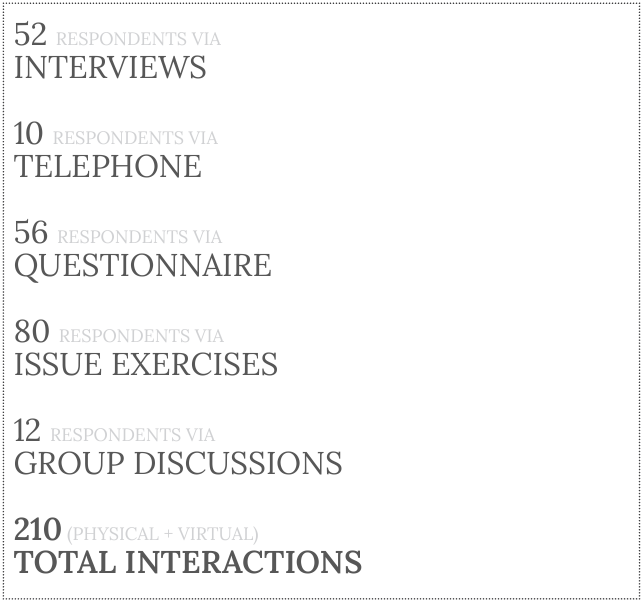
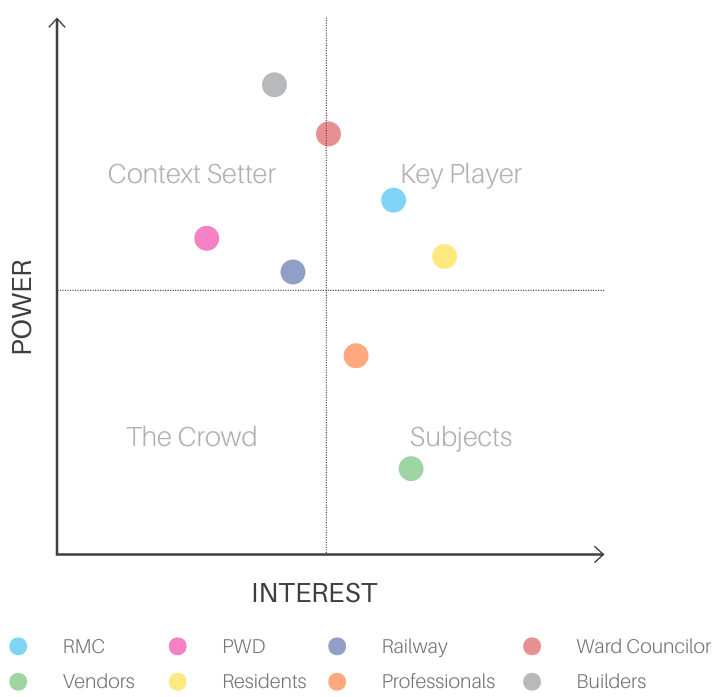
This semester we stepped outside the confines of our homes, pushed against the coercive confinement of the pandemic aftermath and rediscovered the locality in which we are situated. The first stage included capturing the spectrum of everyday life from morning to night by observing defining characteristics of our locality in terms of physical content and urban life. The next stage was studying the community and social groups that belong to our locality and the networks of everyday life related to place, people and purpose that characterize it. The third stage required us to employ various participatory tools to establish close engagement with the community and other stakeholder groups, including governmental and non-governmental agencies, to identify and prioritize multiple urban issues based on their inputs. In the final stage, a design proposal was drafted by collaborating with focus groups and developing a Local Design Action Plan. This LAP exercise not only helped us learn about the undiscovered layers of everyday urbanism but also helped us understand how the localities in various cities have responded to the COVID-19 Pandemic and lockdowns.
Introduction To My Locality
The Site : Different Building Typologies & Living Conditions In The Locality
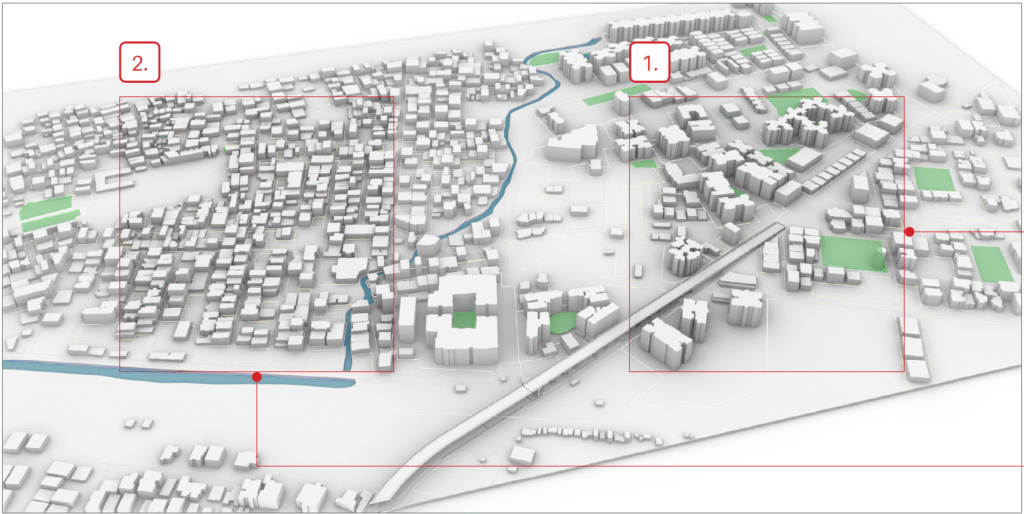
3D view showcasing the dichotomy of development & open spaces.
Apartment & Commercial Typology
Individual Plot House Typology
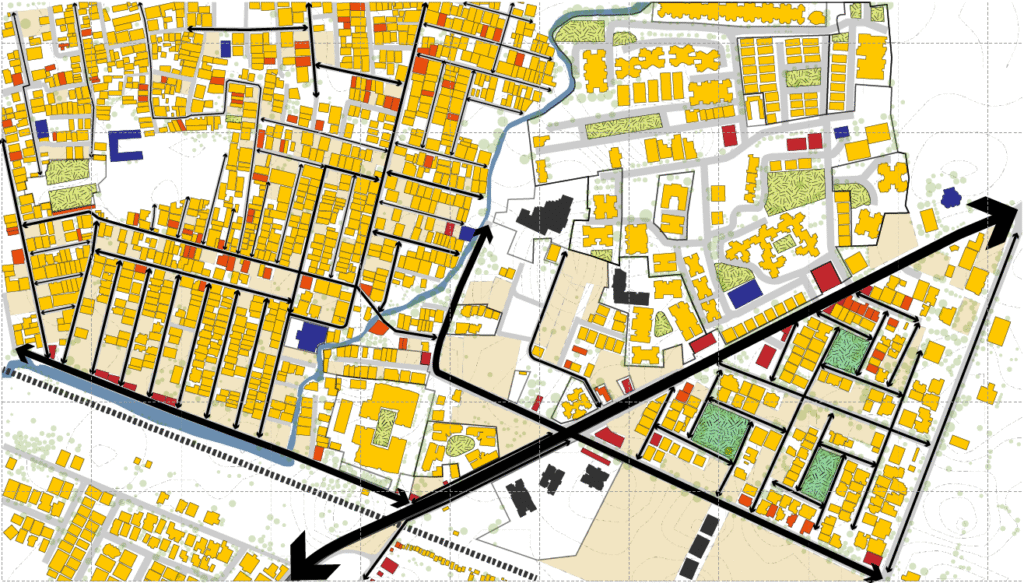
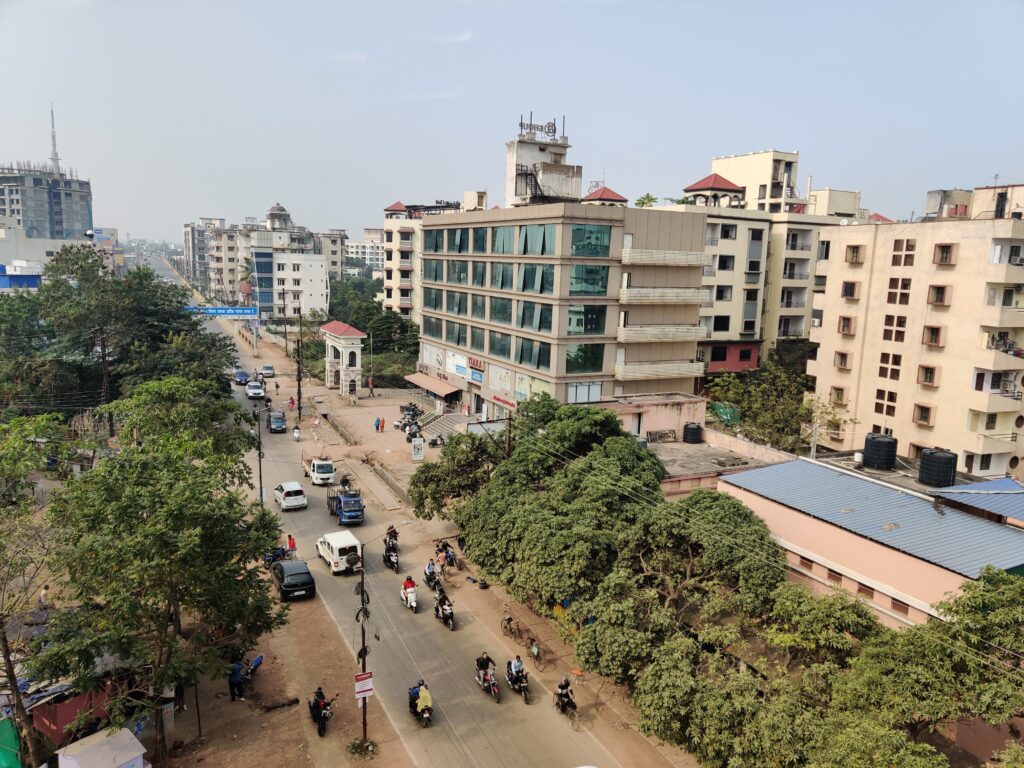
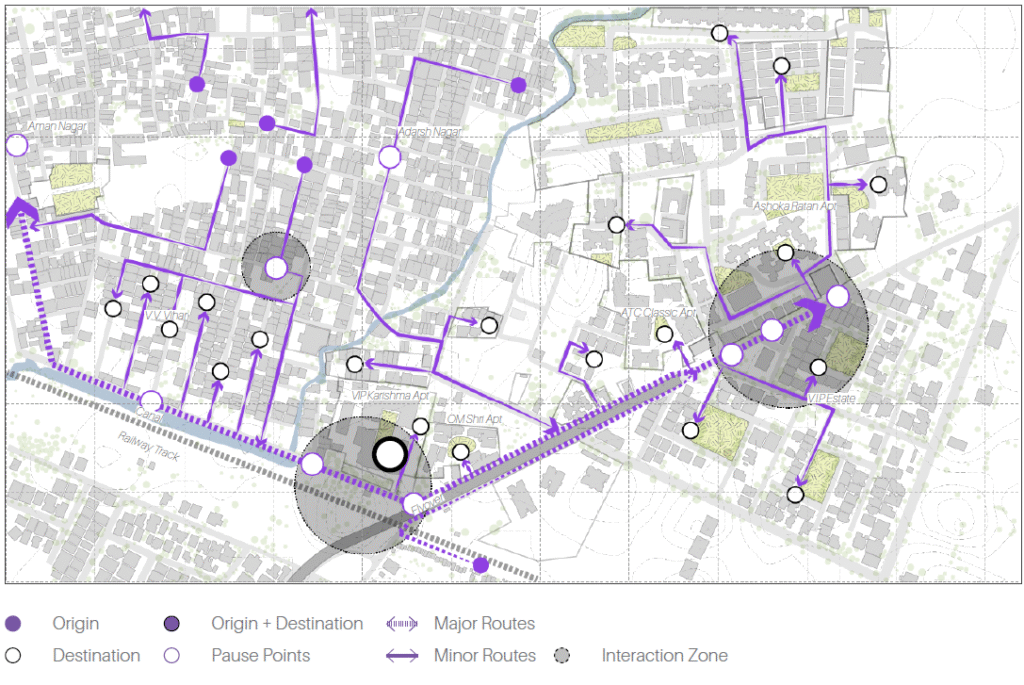
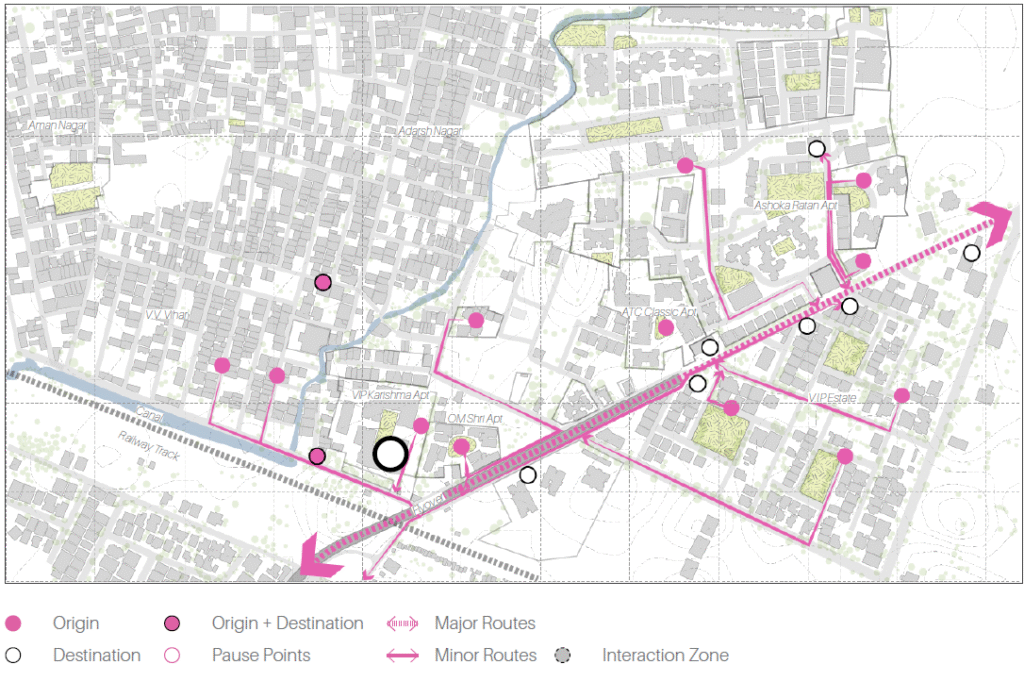
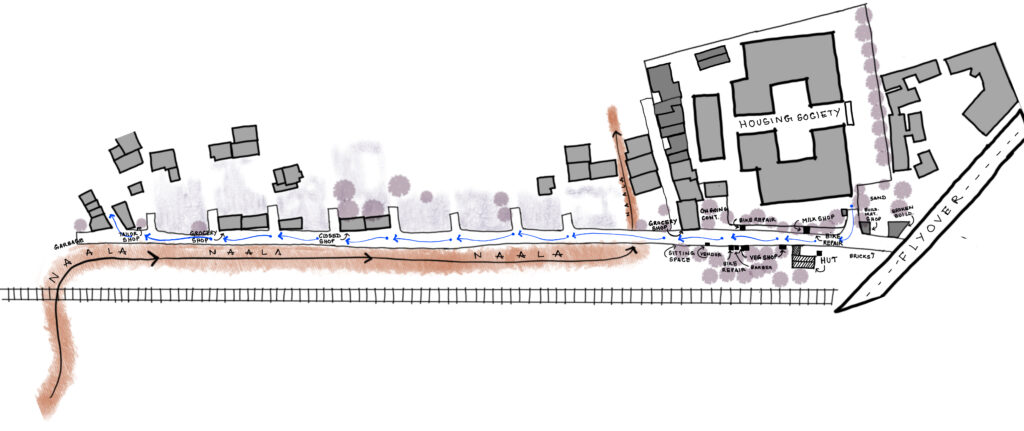
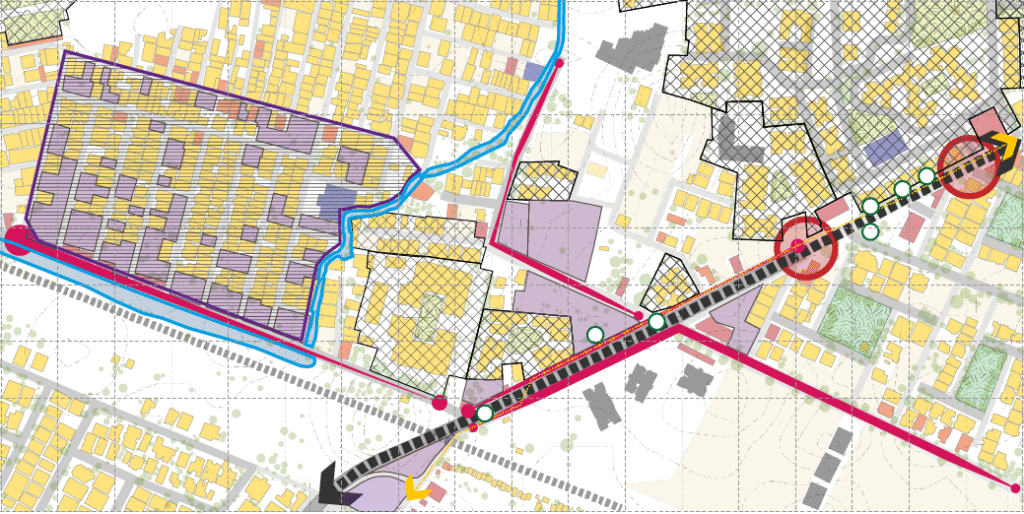
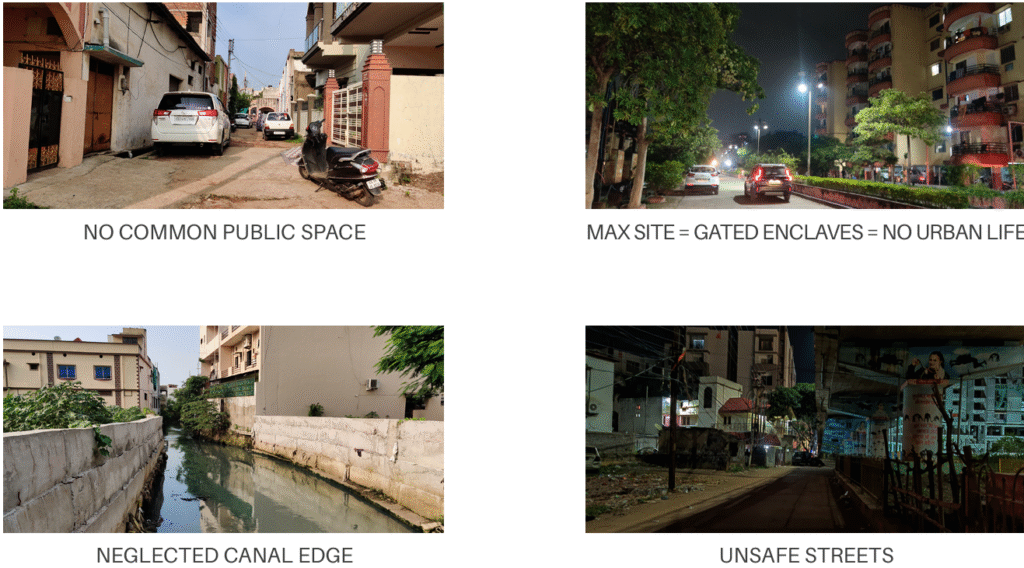
My locality is a conglomerate of numerous gated societies, planned and unplanned colonies. The area is defined by Railway tracks on the southern side, a flyover over the railway tracks, on the eastern side, a canal passing through the middle dividing the site into planned settlements on the east and unplanned settlements on the west.
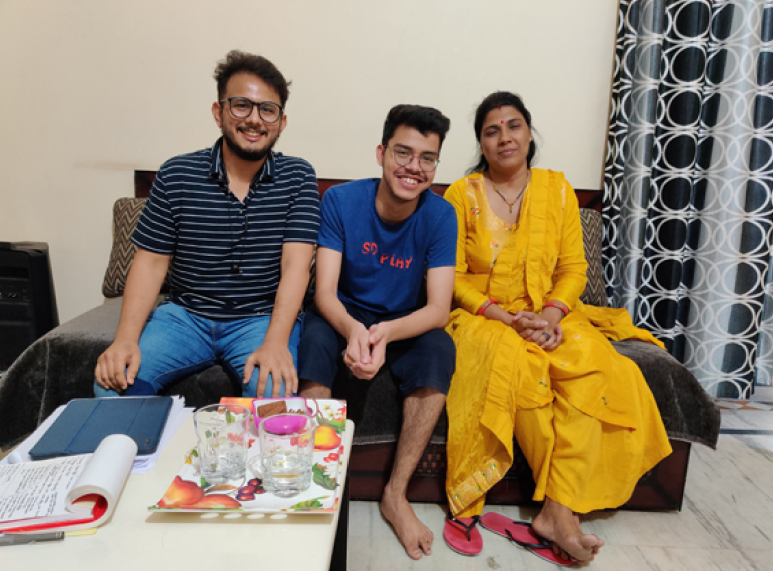
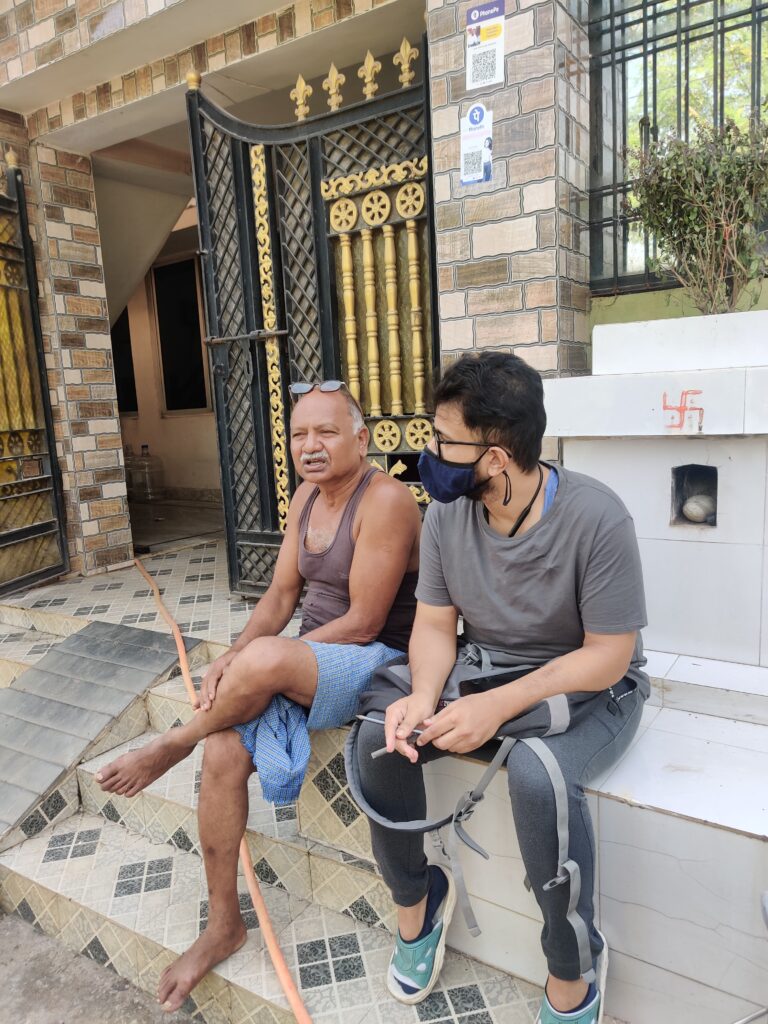
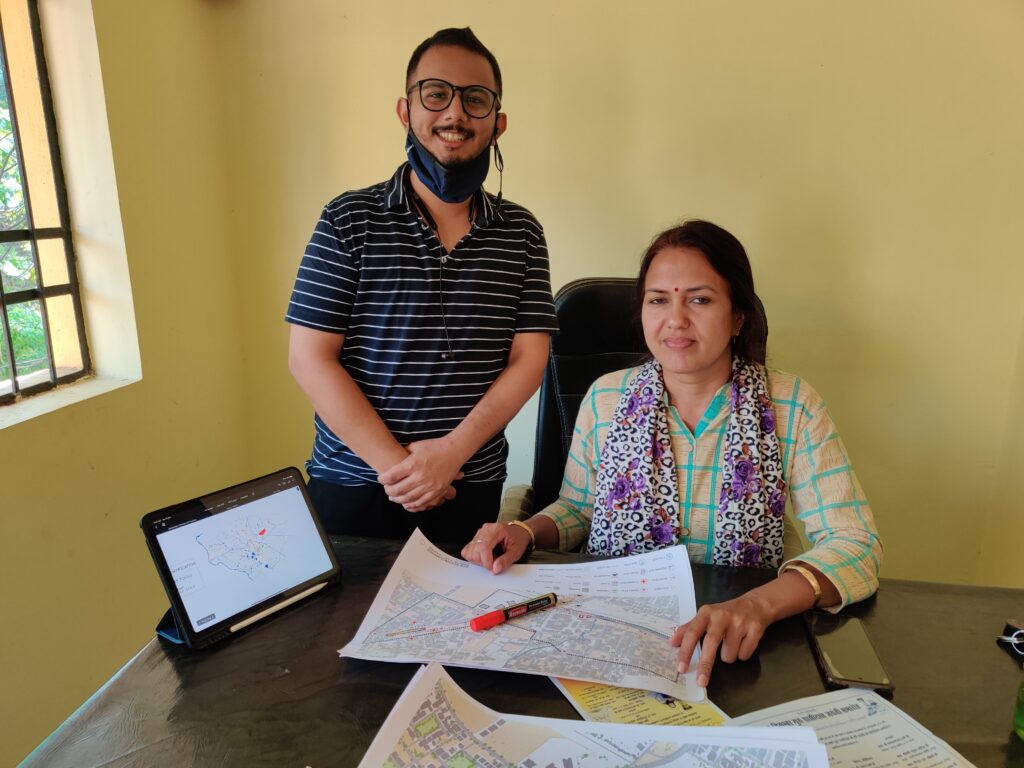
She agrees on a nice open space for the community with amenities. At present, there is deadlock related to ownership of land; thus, the only possibility is small interventions on the land available to the government, i.e. streets and roads.
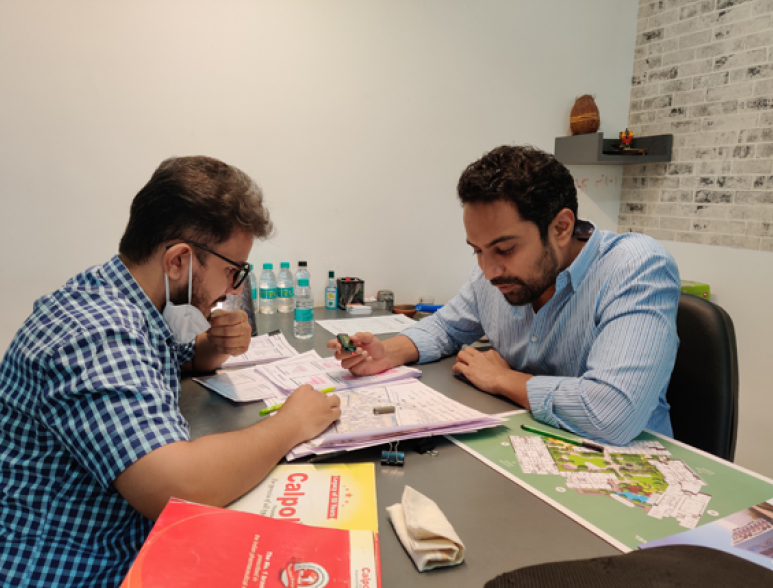
FOCUS GROUP DESIGN IDEATION
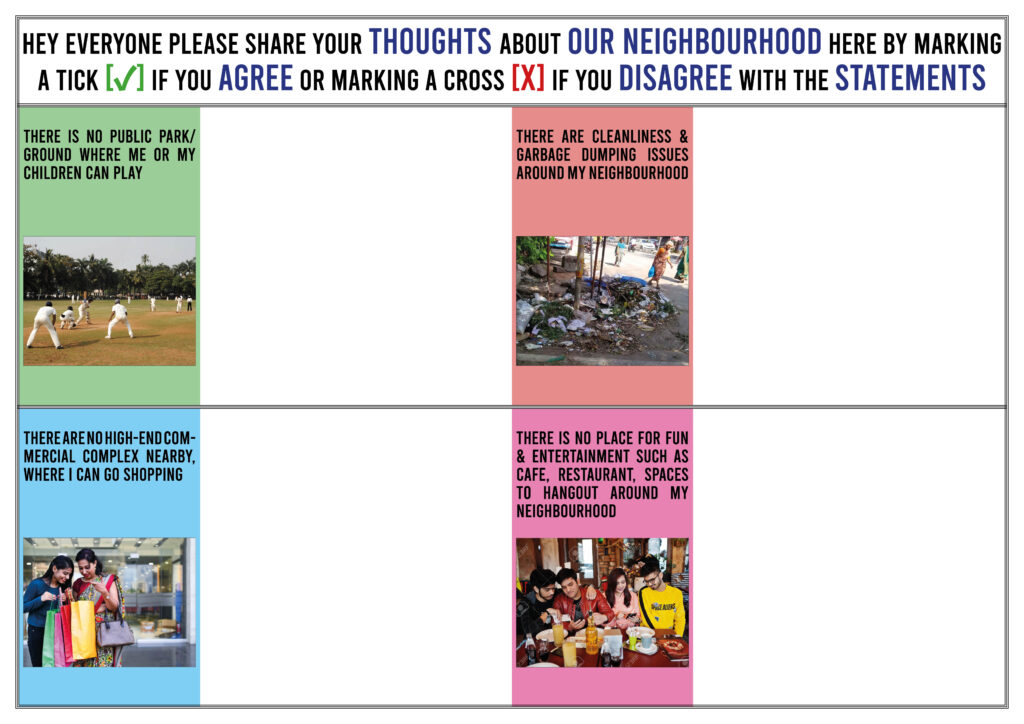
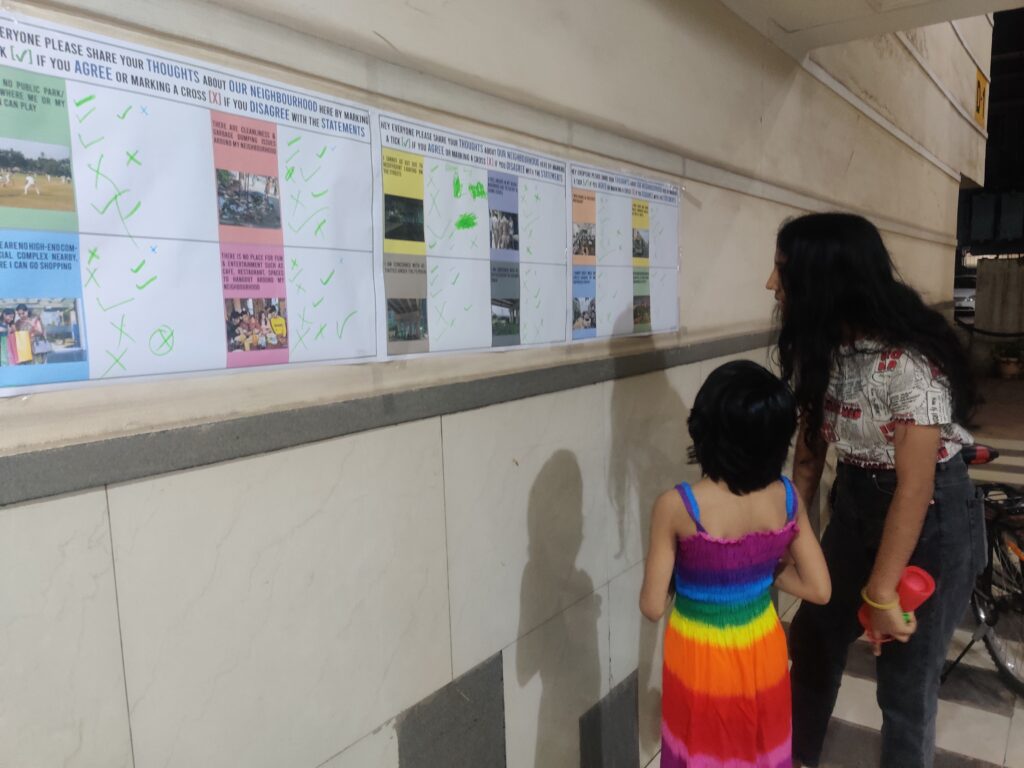
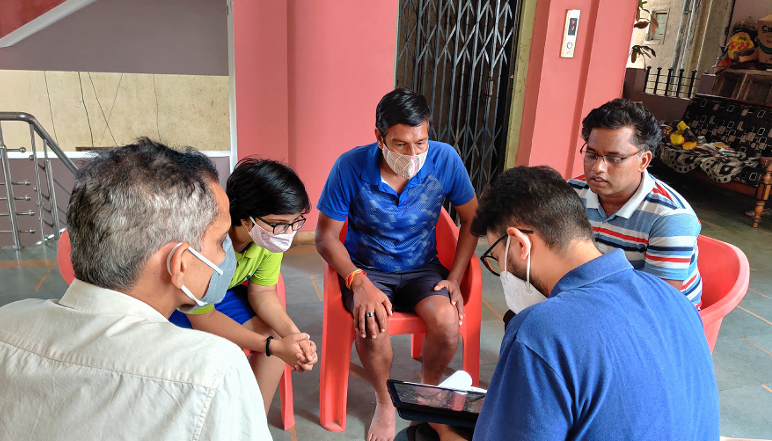
Discussion Involving Residents Of Different Age Groups
Results Of Discussion
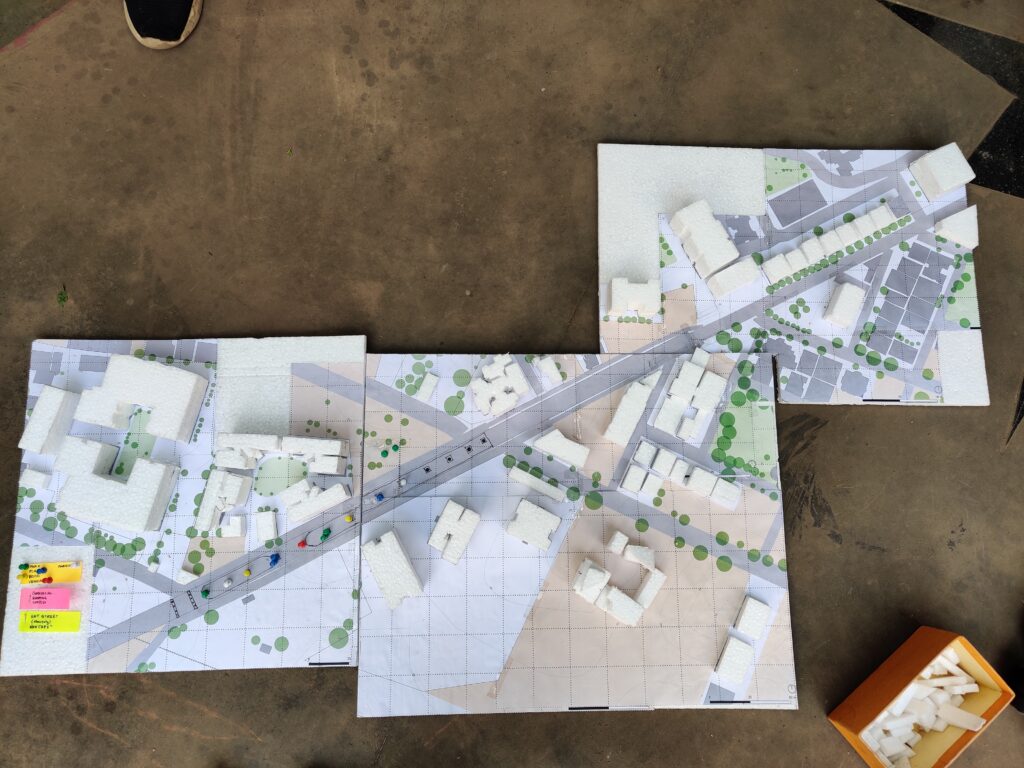
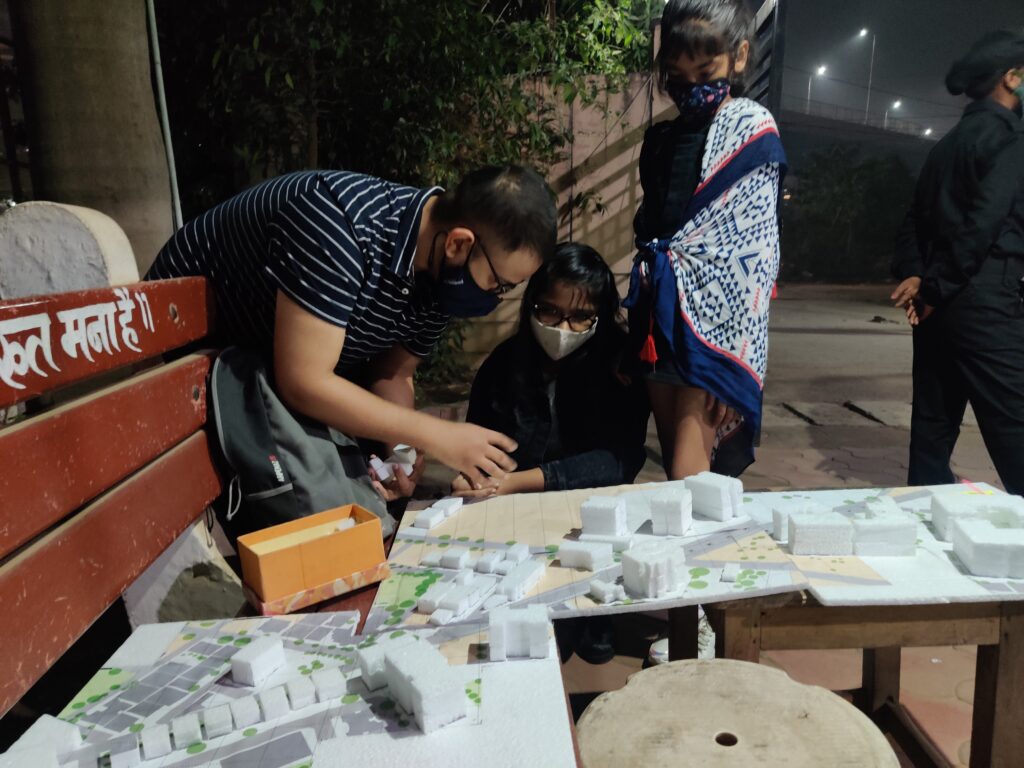
WORKING WITH PHYSICAL MODEL
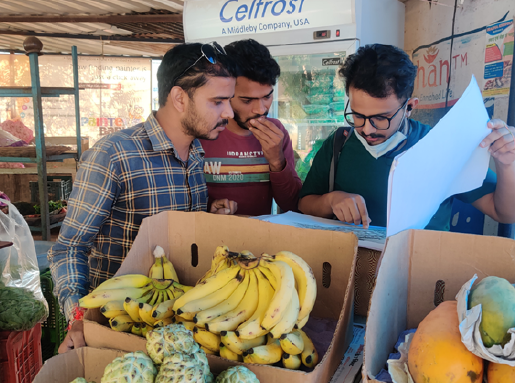
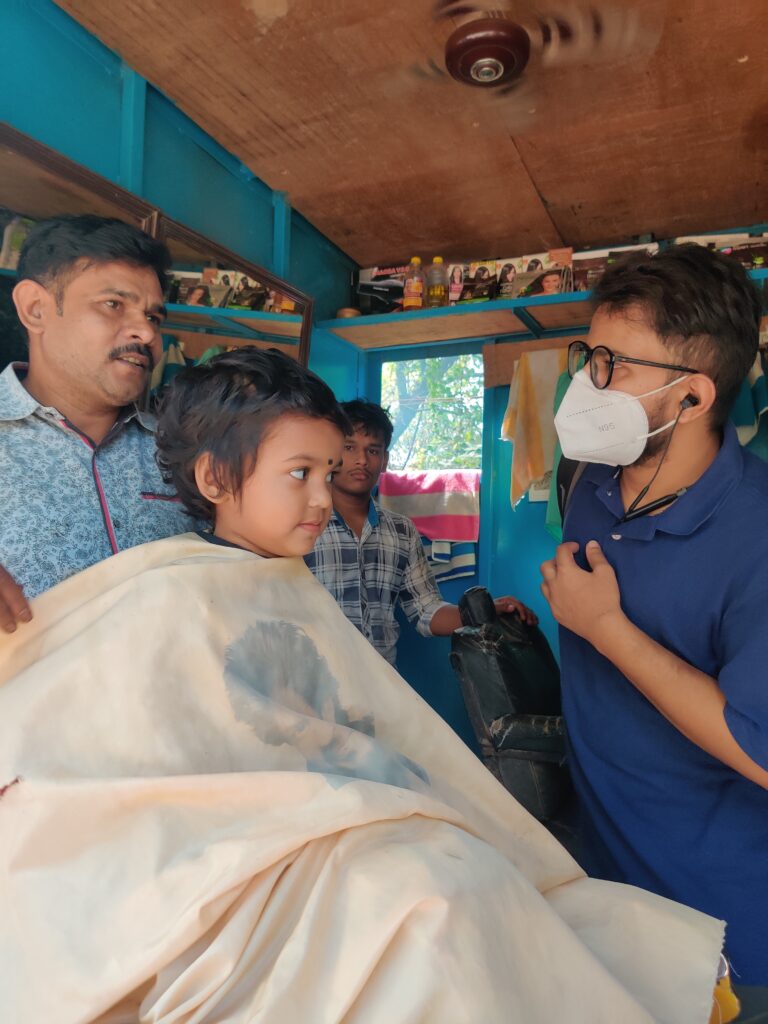
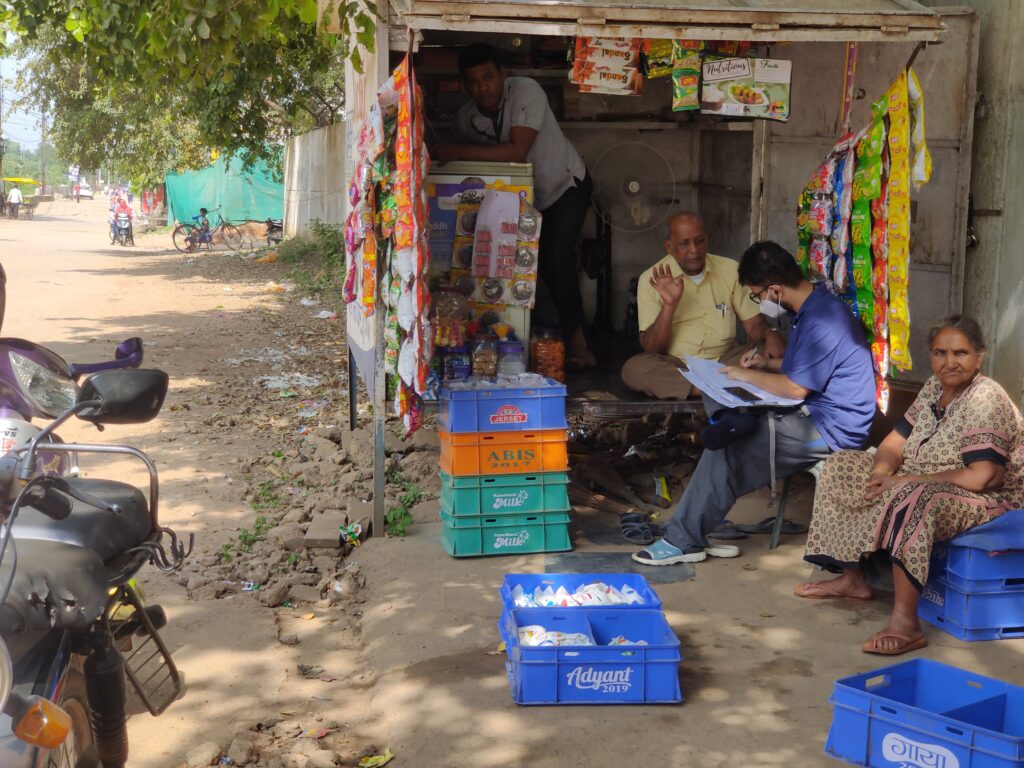
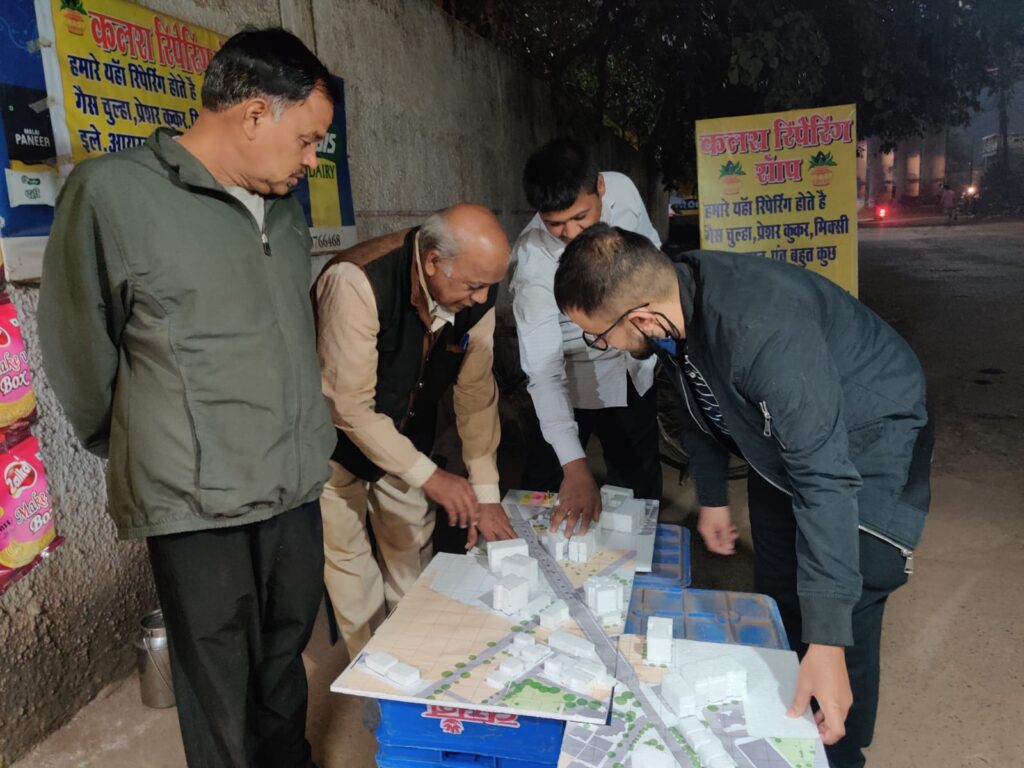
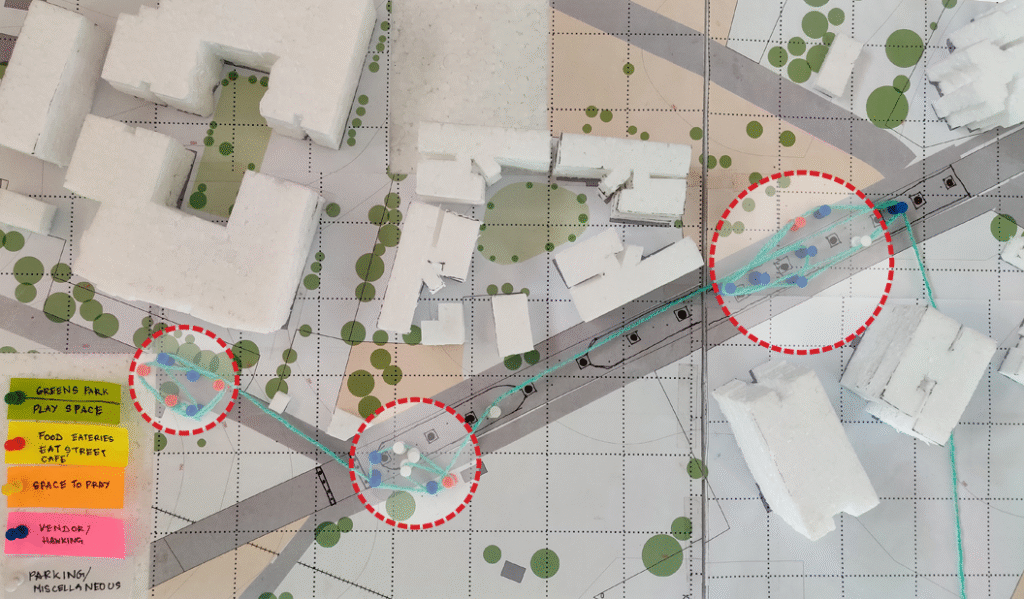
Discussion Involving Vendors Using Physical Models
Results Of Discussion
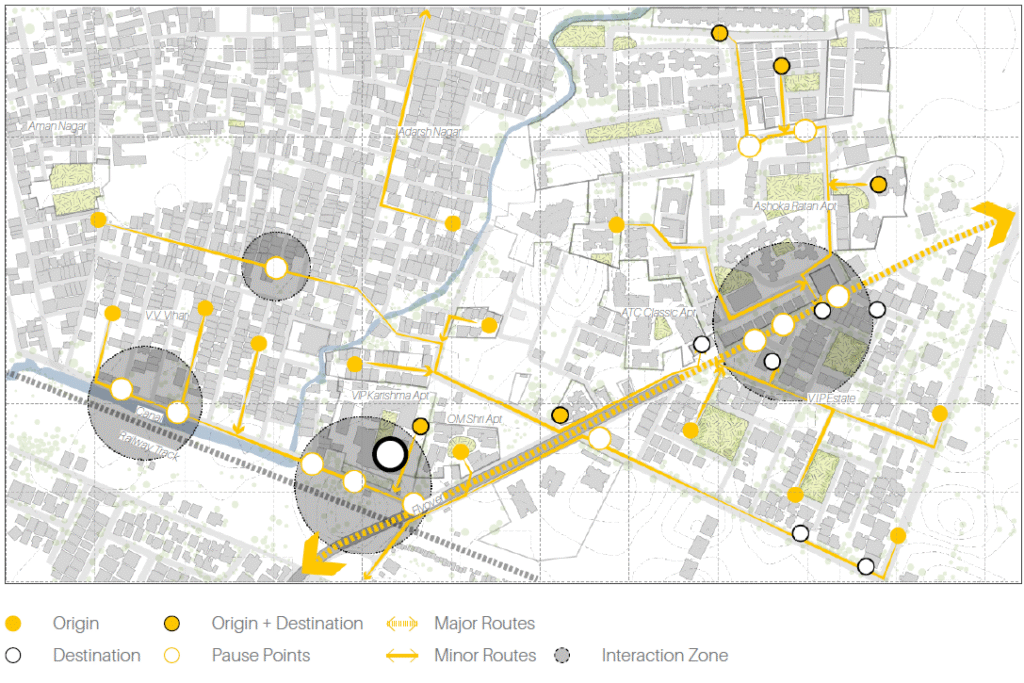
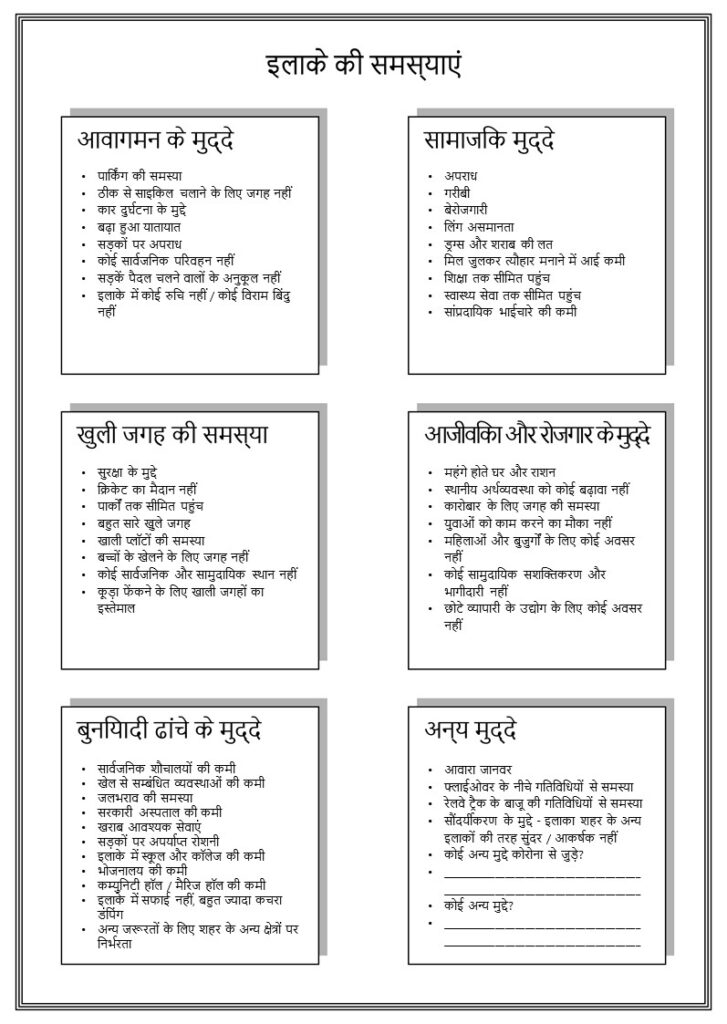
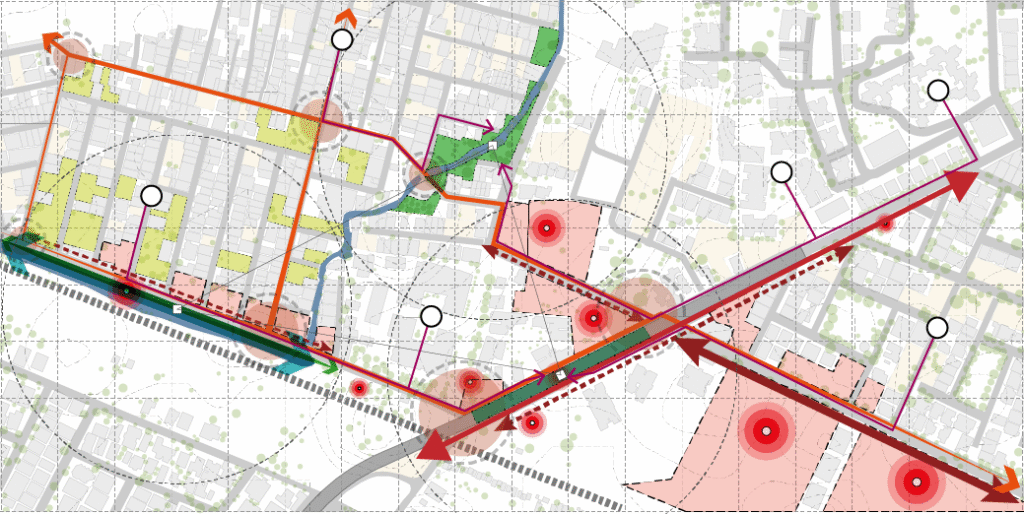
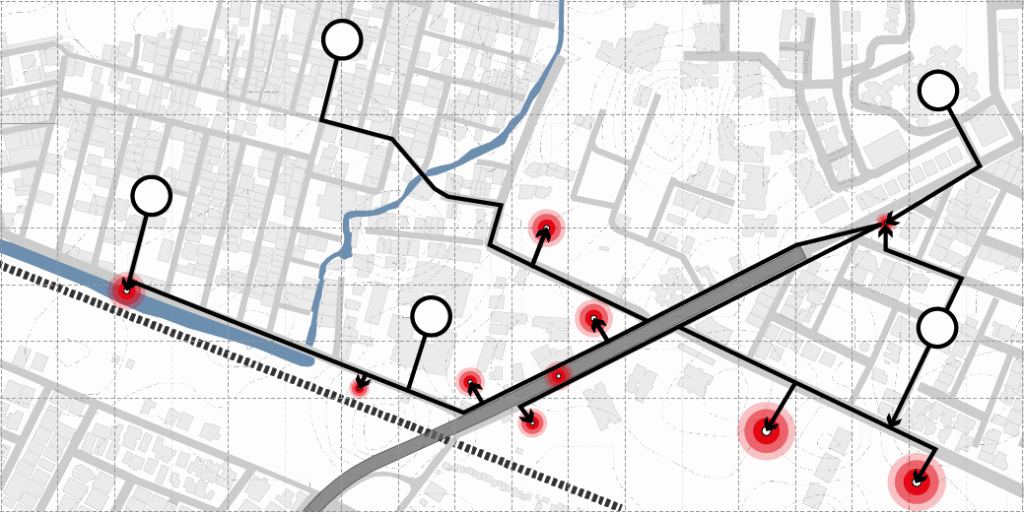
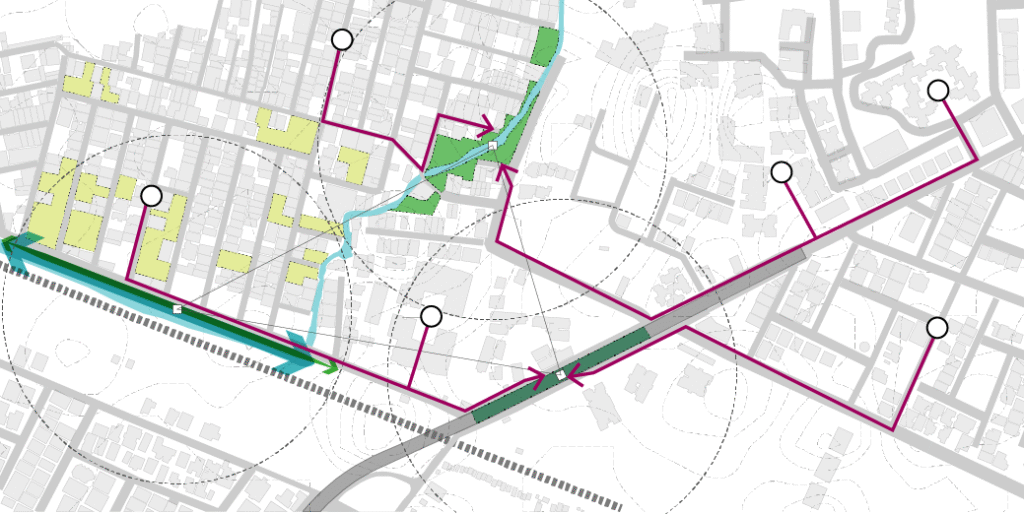
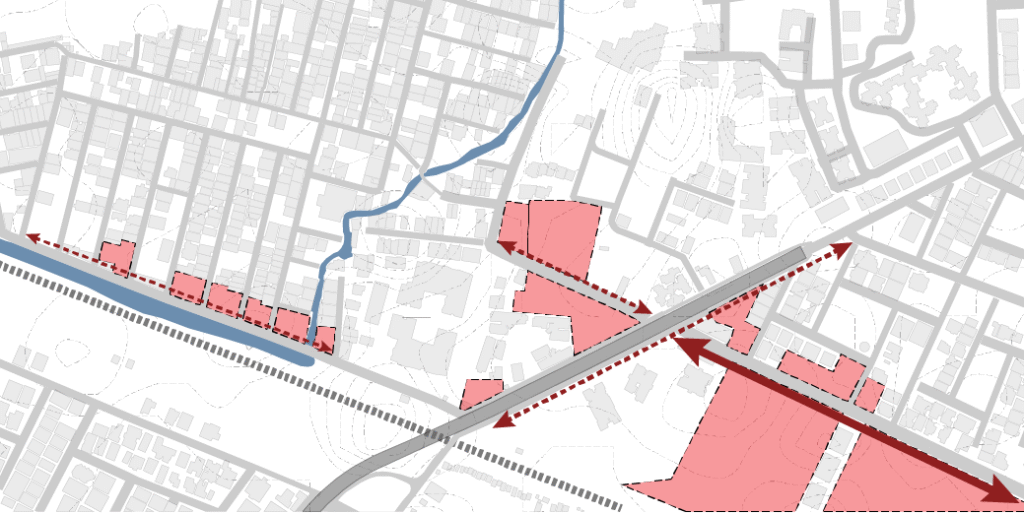
Existing Structure Plans & Issues
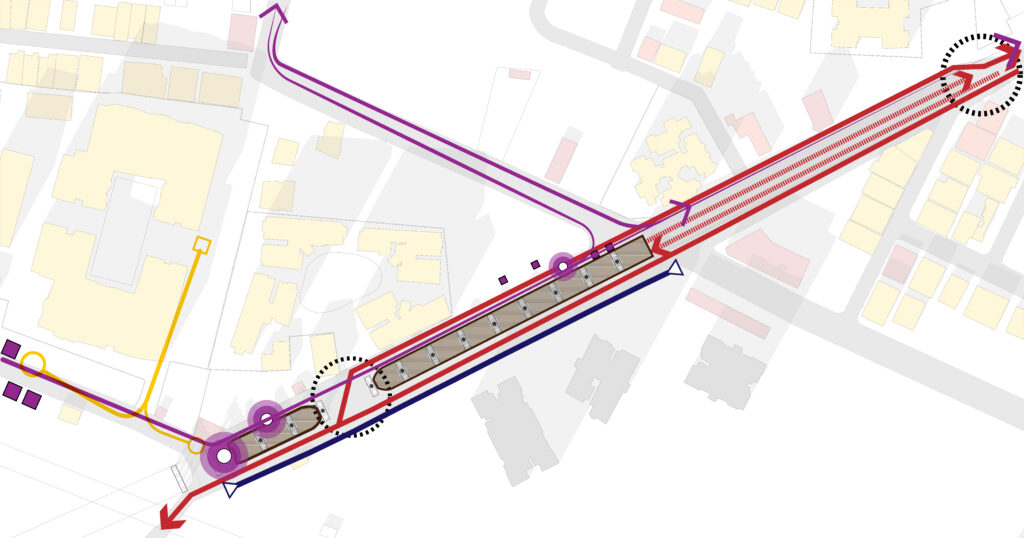
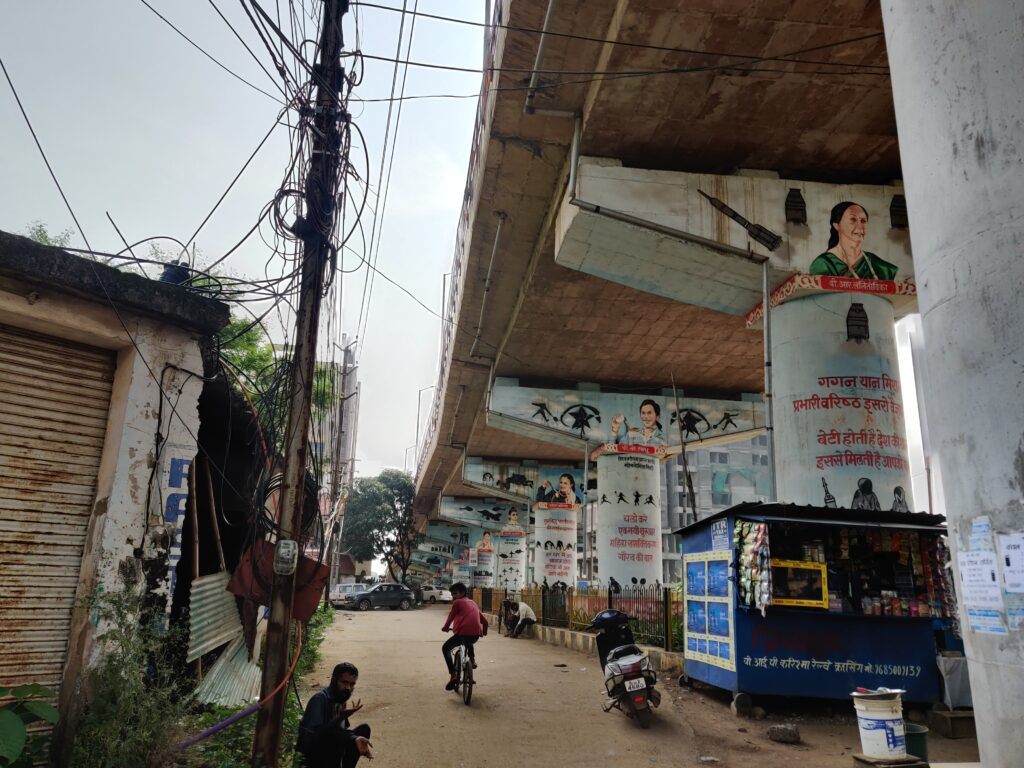
Spot Design: Existing Condition Under Flyover
Proposed Structure Plan, Vision & Objectives
A vibrant & green neighborhood which provide child & family friendly spaces for leisure, recreation & celebration. While at the same time create city level spaces that invites others by improving image-ability & commercial viability.’
Increase Community Interaction
Improve Walkability
Increase Public Space
Re-Imagine Commerce
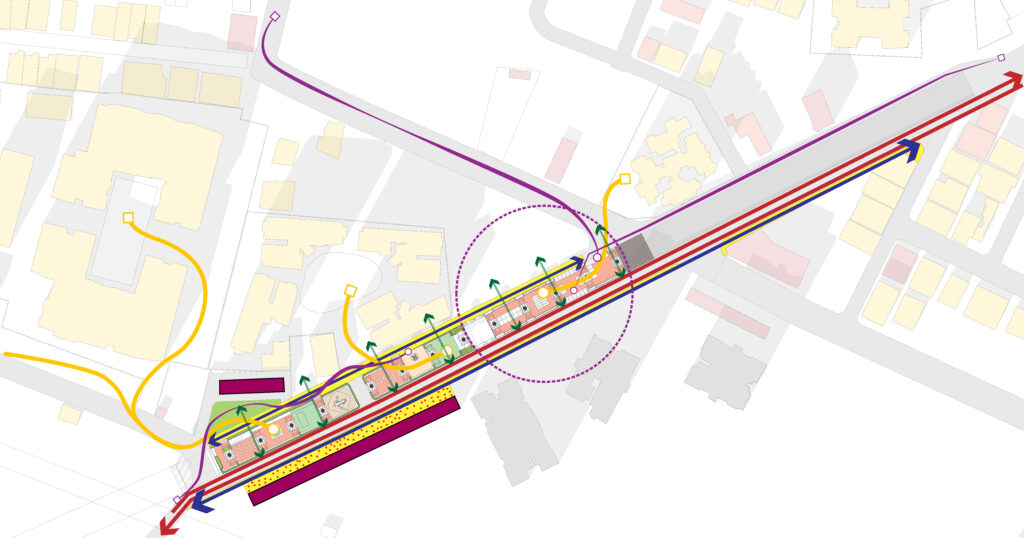
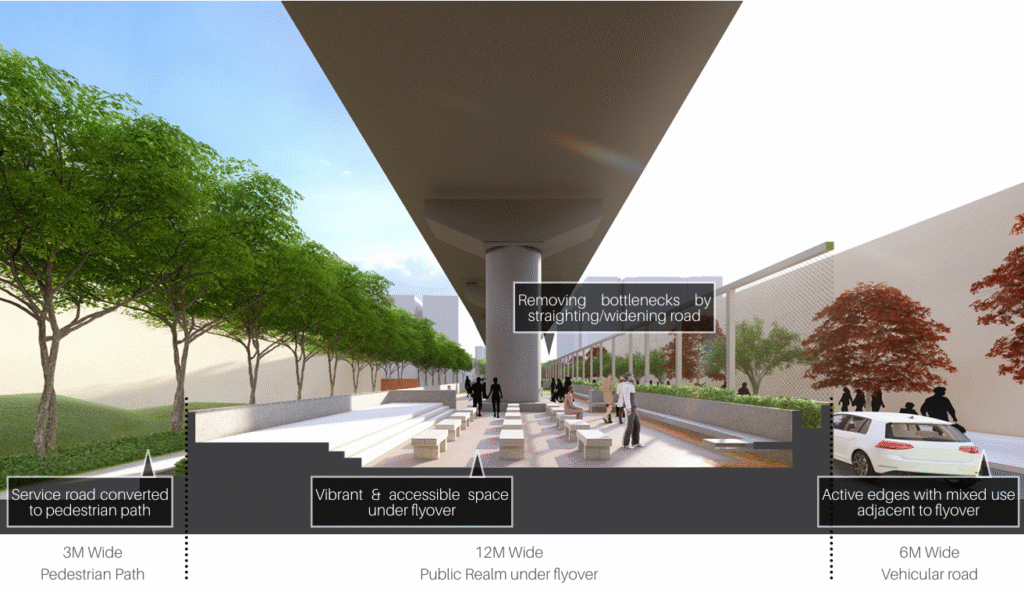
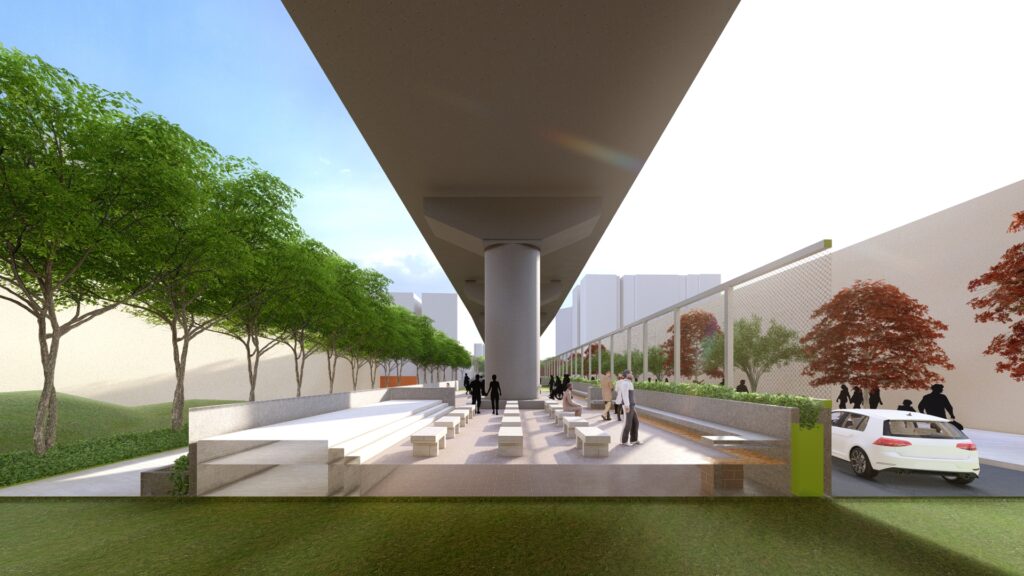
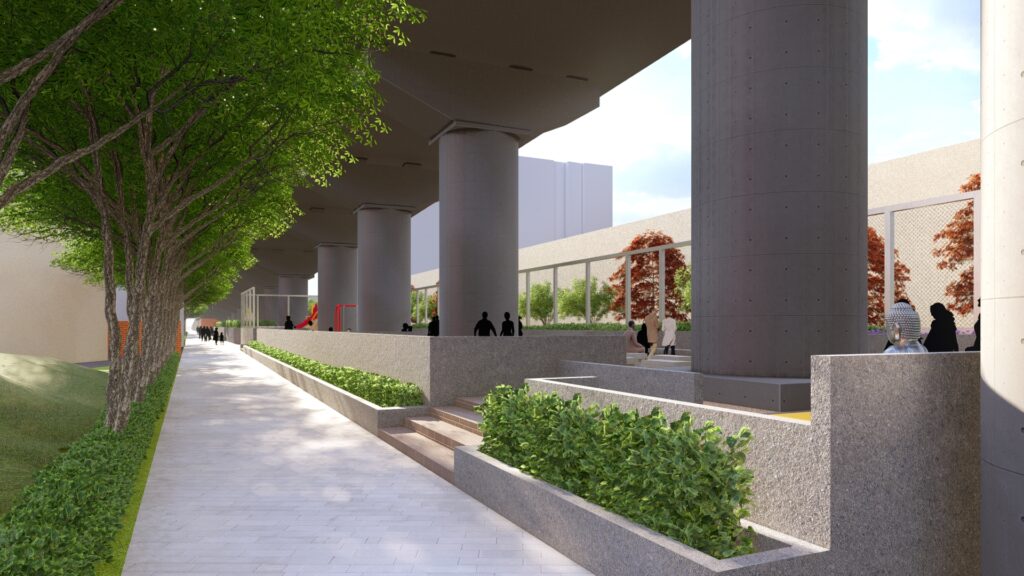
Spot Design: Proposed Condition Under Flyover
3D Design Exploration
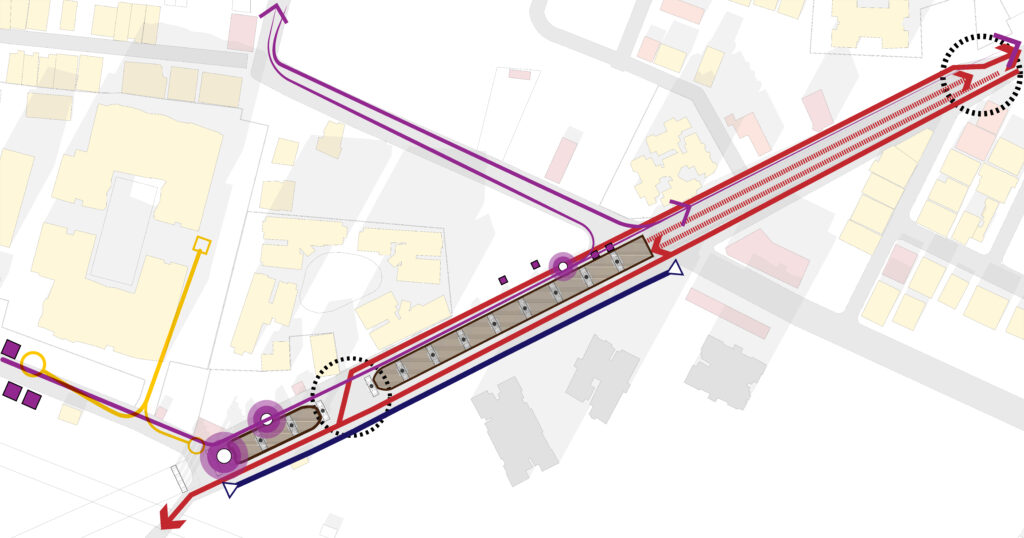
The design approach showcases a model of the city-level public space that would facilitate the usability of underdeveloped areas for commercial viability and enhance the imageability of the neighborhood and the city. A city-level inclusive space for leisure, recreation and celebration with no boundaries.
Conclusion
The design tries to mitigates global isolation and disassociation trends. It allows a greater degree of interaction and association among the people by bringing a spectrum of public activities together in front of the eyes of people living in isolation.